


Sea burial services, also known as the scattering of ashes at sea, is a meaningful and environmentally friendly farewell that many families in Singapore are increasingly choosing. Instead of a traditional land burial or columbarium niche, sea burial allows loved ones to be laid to rest in the open waters, offering a serene and symbolic return to nature.
In recent years, sea burials have gained popularity in Singapore due to rising cremation rates, limited land space, and a growing preference for simple, dignified, and eco-conscious funeral options. More families are also drawn to the calm, peaceful experience of holding a final ceremony at sea.
However, despite its rising acceptance, many misconceptions still surround sea burial services in Singapore. Questions about legality, religious acceptance and cost often create confusion for families exploring this option for the first time.
This guide aims to debunk the most common myths about sea burials in Singapore. By addressing misunderstandings and providing clear, accurate information, we hope to help families make a well-informed and confident decision when planning a sea burial ceremony for their loved ones.

Myth 1: Sea Burial Ceremonies Can Only Be Attended by Close Relatives
Sea burial services are not limited to close relatives. Most chartered vessels allow a wide range of attendees, including extended family members, close friends, and even religious representatives who may be present to lead prayers or rituals.
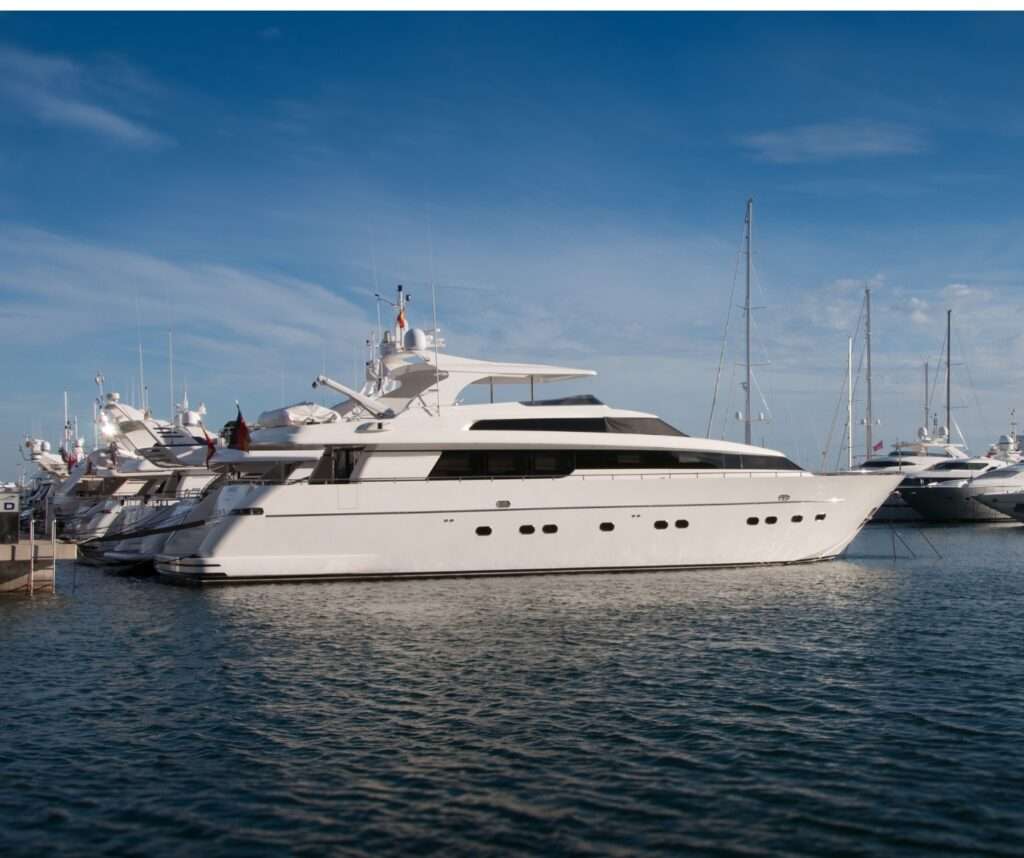
What does matter, however, is the passenger limit of the vessel. All sea burial boats in Singapore must comply with capacity rules set by the Maritime and Port Authority (MPA). These limits ensure passenger safety and vary depending on the type and size of the vessel. Service providers will typically inform families about the maximum number of attendees allowed so that arrangements can be made accordingly.
In addition to passenger limits, there are essential safety guidelines that must be followed. These include wearing life jackets when required, boarding only at designated points, and complying with weather or tide advisories. Professional sea burial operators are trained to manage these safety protocols, giving families peace of mind during the ceremony.
Overall, sea burial ceremonies are open, inclusive, and flexible. Whether you wish to invite a small group of immediate family or a larger gathering of relatives and friends, most operators can help accommodate your needs while ensuring full compliance with MPA safety standards.
Myth 2: Sea Burials Can Be Conducted in Any Part of Singapore Waters
Another common myth is that families can scatter ashes anywhere in Singapore’s waters. In fact, sea burials are strictly regulated, and they can only be conducted at designated locations approved by the authorities. In Singapore, an official sea burial site located about 2.8 km south of Pulau Semakau. All legal sea burial ceremonies must take place within this approved zone.
These regulations are in place for good reasons. Conducting sea burials only at designated sites helps protect the marine environment and ensures that ashes are scattered in areas where water currents disperse them safely and naturally. It also prevents interference with busy shipping lanes, anchorage zones, and maritime operations, maintaining safety for vessels and individuals on the water.
Performing a sea burial outside the approved area is considered non-compliance with MPA regulations. Offences can result in penalties, including fines for both service providers and individuals involved. This is why reputable operators strictly follow the rules and never conduct sea burials in unauthorised waters.
To ensure that everything is done correctly, licensed sea burial service providers will navigate directly to the designated zone using approved routes. They also maintain communication with port authorities and follow all required procedures.

Myth 3: Sea Burials in Singapore Are Expensive
Many people assume that opting for a sea burial in Singapore is costly, but the reality is often more affordable than traditional funeral alternatives. This is assuming a typical funeral ceremony in Singapore with cremation can incur a costs of upwards $4,000++.
Typical Cost of Sea Burial in Singapore
- Basic sea burial services in Singapore often begin from around S$1,000.
- A.LifeGrad’s sea burial services starts at $1,288.
- For more elaborate ceremonies, including optional rituals, religious rites, and possibly a larger charter vessel, the cost may go up to roughly S$2,000++.

Myth 4: Full Body Burials at Sea Are Allowed Without Cremation
Some people believe that a full body can be buried at sea in Singapore. However, this assumption is incorrect, under Singapore law and practice, only cremated remains (ashes) are allowed to be scattered at sea.
Requirement for Cremation Before Sea Burial
- Because full-body burials (i.e. lowering a coffin or body into the sea) do not fall under permitted practices, families wishing for a sea burial must first go through cremation.
- Only after cremation can the remains, now ashes, be scattered at the designated sea burial zone.
Environmental & Regulatory Reasons for Restrictions
- The restriction helps ensure public health, environmental protection, and proper disposal: scattering ashes avoids risks associated with decomposing bodies, potential pollution, or hazards to marine life. Many funeral services in Singapore use biodegradable urns to minimise environmental impact.
- The regulatory framework governing burial and cremation in Singapore requires that only licensed cemeteries or crematoria may be used for full-body interment. The relevant legislation prohibits burial (or cremation) of corpses in unlicensed or non-approved places, this extends to “burial at sea” via full-body disposal outside permitted facilities.
What Does This Means for Families Considering Sea Burial in Singapore?
- If you prefer a sea burial for your loved one, plan for cremation first, full-body sea burials are not an option.
- Use a licensed funeral director or sea-burial service provider who arranges for cremation, obtains necessary permits, and ensures scattering is done in the approved sea zone.
- Accept that sea burial in Singapore is about releasing ashes into the sea; symbolic, respectful, and environmentally responsible, rather than lowering a coffin or body.
Myth 5: Sea Burial Is Frowned Upon by All Religions in Singapore
A common misconception is that sea burials are disapproved of by most religions in Singapore. In reality, religious views vary, and many faiths are open to sea burials under specific conditions, especially when the process aligns with core beliefs about returning to nature, honouring the deceased, and observing proper rites. Below is an overview of how major religions in Singapore generally view sea burial practices.
Buddhism
In Buddhist funeral services, cremation is widely accepted, and the scattering of ashes, including at sea, is generally permissible. Many Buddhist families choose sea burial as it symbolises impermanence and the natural cycle of life. Buddhist sea burial ceremonies may include chanting, offerings, or a short prayer service led by a monk, depending on family preference.
Taoism
Taoist funeral services typically emphasise respect for ancestors, rituals, and returning to the elements. While traditional Taoist families may prefer land burials or niches for ancestral worship, sea burial is not prohibited. Families who choose this route may customise the ceremony with incense, paper offerings, or Taoist prayers, provided these rituals comply with safety and maritime regulations.
Christianity
Christian denominations in Singapore generally accept cremation and scattering of ashes, including sea burial. Many Christians find sea burial meaningful because it reflects the belief that the soul has returned to God, while the body returns to nature. Christian pastors or church leaders may conduct a short service involving prayers, hymns, or Scripture readings aboard the vessel.
Importance of Consulting Religious Leaders
While many religions allow sea burial, interpretations can differ across denominations, temples, churches, or sects. Speaking with a monk, priest, pastor, or religious advisor ensures that the ceremony:
- Aligns with your family’s beliefs
- Respects traditional practices
- Provides spiritual comfort and proper guidance
A brief consultation also helps families avoid misunderstandings or unintentional breaches of religious etiquette.
Myth 6: Sea Burials Harm Marine Life
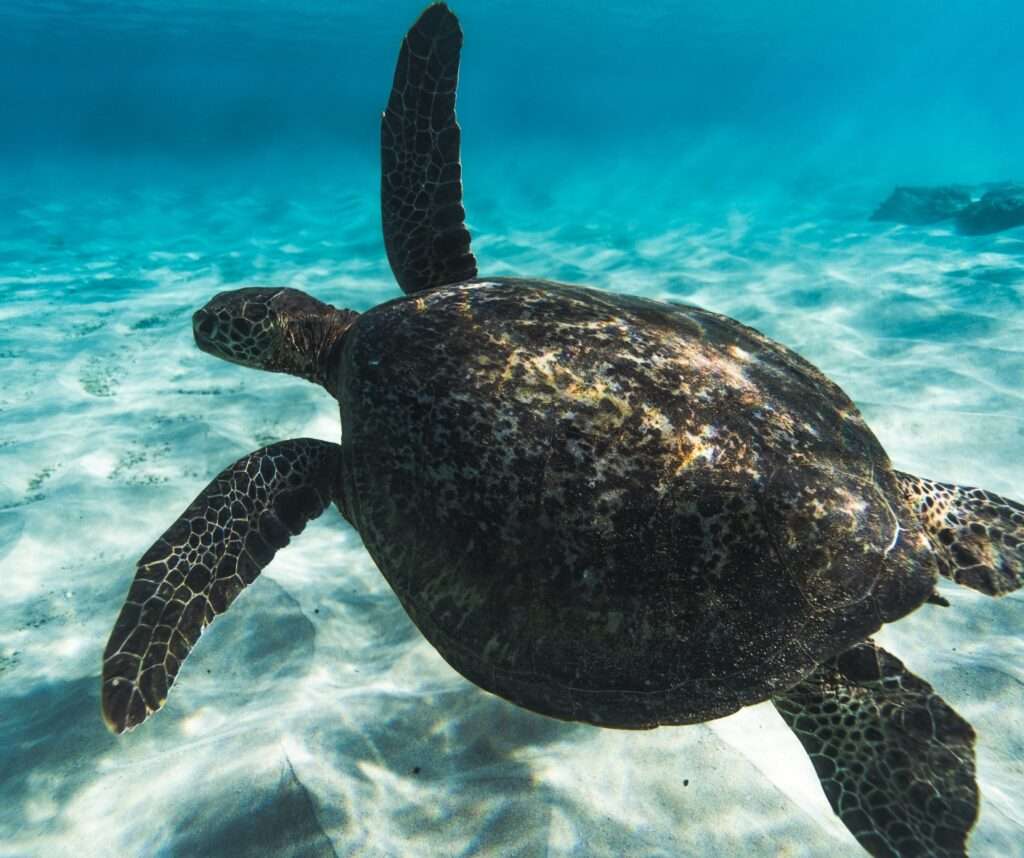
A frequent concern among families is the belief that sea burials pollute the ocean or harm marine life. In Singapore, this is a myth. When carried out legally and responsibly, sea burials are designed to be environmentally safe and regulated to prevent any ecological damage.
Environmentally Responsible Practices
Singapore’s sea burial guidelines ensure that only cremated ashes are scattered. Ashes are inert and harmless to marine ecosystems. They disperse naturally in the water and do not contain substances that would threaten fish, coral, or other sea life.
Use of Biodegradable Urns
When families use an urn for the ceremony, it must be biodegradable. These urns are made from natural materials that dissolve completely in seawater without releasing toxins. This ensures that nothing artificial or harmful remains in the ocean after the ceremony.
Designated Sea Burial Zones Protect Marine Habitats
All sea burials in Singapore must take place at the official burial site south of Pulau Semakau, far from sensitive marine habitats like coral reefs or fishing zones.
Pros & Cons of Sea Burial in Singapore
| Pros | Cons |
|---|---|
| Eco-friendly, minimal land use and low environmental impact. | No physical memorial site, which may affect families who prefer a place to visit. |
| Cost-effective, compared to traditional burials or long-term niche fees. | Weather-dependent, bad weather can delay or reschedule the ceremony. |
| Simple and meaningful ceremony, that focuses on dignity and reflection. | Limited onboard capacity, so larger gatherings may not fit on the vessel |
| No long-term maintenance required, no graves, niches, or upkeep costs. | Strict regulations must be followed, including designated burial zones. |
| Peaceful and symbolic farewell, especially for individuals who loved the sea. | Not suitable for all religions or cultural practices, particularly those that prohibit cremation or sea scattering. |
Conclusion
Sea burials in Singapore are a meaningful, eco-friendly, and increasingly popular alternative to traditional funerals. By addressing common myths, we’ve clarified that sea burial ceremonies are not restricted to close relatives, must be conducted in designated waters, are often cost-effective, and can be tailored to fit various religious practices. We also highlighted that full-body burials at sea are not permitted, and that the process is environmentally safe when done legally.
Families considering a sea burial are strongly encouraged to consult licensed funeral service providers. Experienced professionals can guide you through legal requirements, vessel arrangements, safety regulations, and religious or ceremonial considerations to ensure a smooth and respectful farewell.
Finally, understanding the rules, costs, and faith-based guidelines beforehand empowers families to make an informed decision, honouring their loved ones in a meaningful, safe, and compliant manner.
Contact A.LifeGrad Memorial Group Pte Ltd if you would require additional assistance regarding sea burial in Singapore.